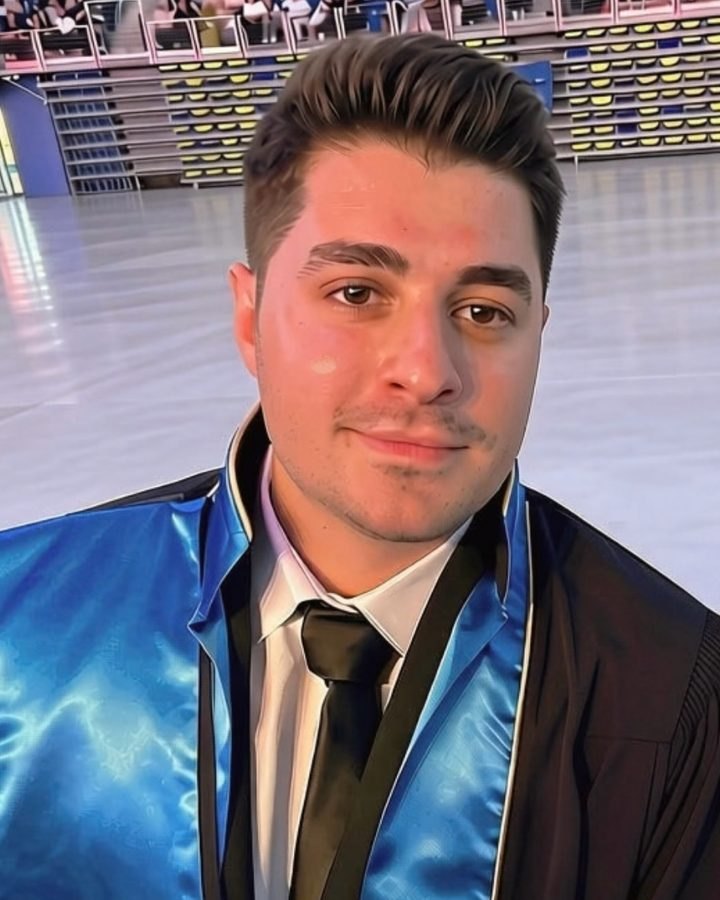

Speech and language therapist İbrahim Himoğlu

Hello, I'm İbrahim Himoğlu

I graduated in Speech and Language Therapy from Fenerbahçe University. I work with children and adults, in person in Istanbul and online, in English or Turkish.

In therapy, I value a calm, non-judgemental and safe environment, and goals that are small, measurable and carried into everyday life. When families take an active part, progress continues between sessions too.

“Speaking is a skill that can be learned.”
BSc in Speech and Language Therapy, Fenerbahçe University (2025)
Individual, goal-focused therapy for children and adults
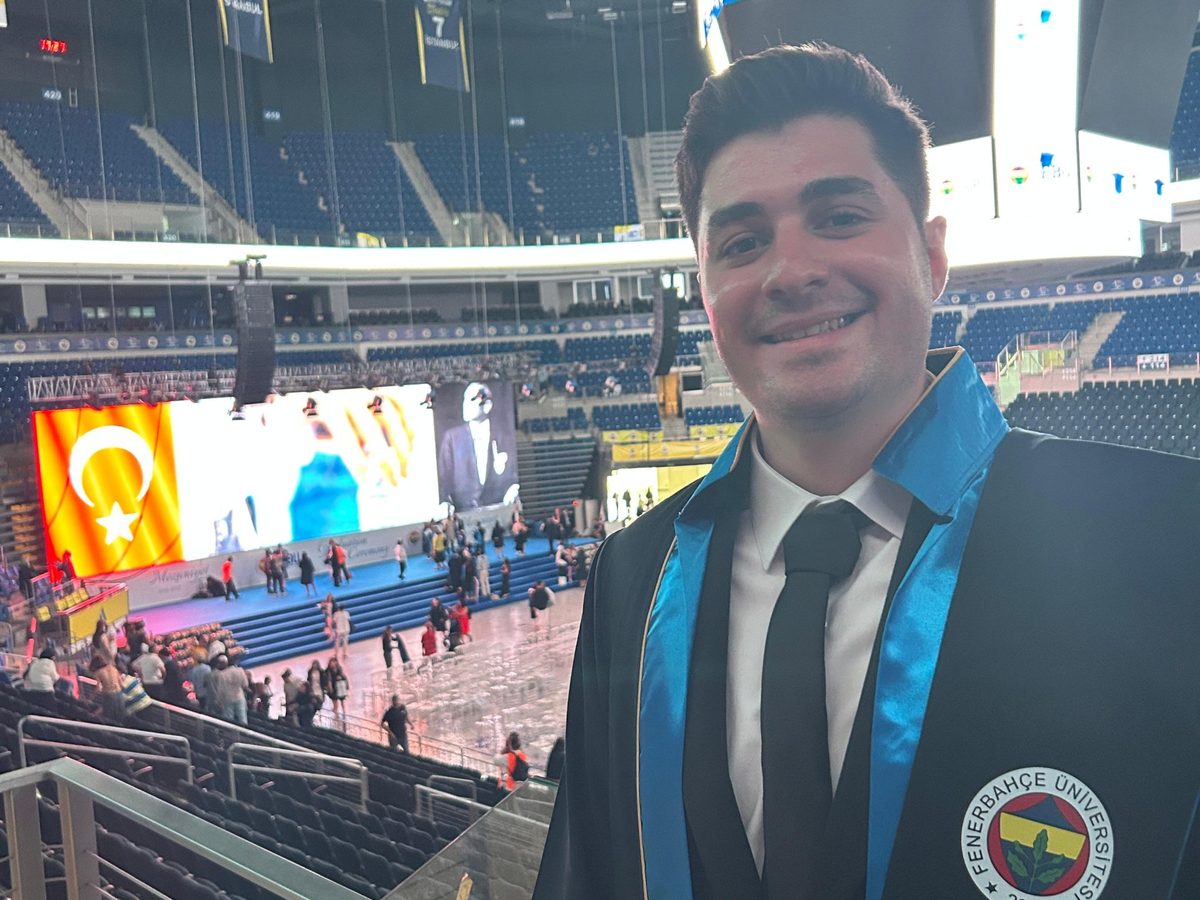
İbrahim Himoğlu at his Fenerbahçe University graduation ceremony
Fenerbahçe University graduation ceremony · 2025

Istanbul · Ümraniye · Online

Speaking is a skill that can be learned. Speech and language therapy in Istanbul and online

Late talking, difficulty saying certain sounds, stuttering or speech difficulties after a stroke. Therapy starts with a careful assessment, followed by a personal plan with measurable goals, in English or Turkish. Families are part of the process for children; for adults, your everyday life is at the centre of every goal.

Prefer to talk? Call +90 541 971 57 05

How can I help?

Speech and language therapy covers difficulties with understanding and using language, producing speech sounds, fluency, voice and swallowing. Choose the area closest to your concern to read how I work.

İbrahim Himoğlu at his desk in a white coat
Where I workI offer a calm, organised and distraction-free setting for sessions. In-person sessions take place in Ümraniye, and online sessions follow the same care.

Speech and Language Disorders in Children

Every child talks at their own pace, but some signs show that support is needed. I work with children through play and show parents practical techniques they can use at home, including in families raising children with more than one language.

Late talking (language delay)

Delayed language development

For children who use fewer words than their peers, have trouble putting words together or understanding what is said, I first assess both understanding and expression, then build vocabulary and sentence skills through play woven into daily routines.

  • No words or very few words at 18 months
  • Not combining two words by age 2
  • Difficulty understanding or showing what they want

Articulation disorders

Difficulty saying certain sounds

A child cannot say specific sounds such as "r", "s", "sh" or "k", says them in a distorted way or replaces them with another sound. We practise the correct mouth movement for the sound on its own, then in syllables, words and sentences until it carries over into everyday speech.

  • Saying "wabbit" for "rabbit"
  • The tongue pushing between the teeth on "s" (a lisp)

Speech sound disorders

Phonological disorders

Here the difficulty is not producing one sound, but changing sounds in a systematic, rule-based way, such as dropping syllables or moving back sounds to the front of the mouth. We identify these patterns and reorganise the child's sound system step by step, which noticeably improves how easily they are understood.

  • "Tat" for "cat", "dough" for "go"
  • Dropping syllables, such as "nana" for "banana"

Communication in autism and Down syndrome

Social communication and language support

I support joint attention, starting communication, turn-taking and expressing needs, using picture-based or augmentative and alternative communication (AAC) where needed. For children with Down syndrome, we work with the family from an early age on language and speech clarity.

Fluency Disorders: Stuttering and Cluttering

The aim of fluency therapy is not only fewer moments of stuttering, but being able to speak comfortably in any situation, without avoiding it.

Stuttering in children

Some disfluency between ages 2 and 5 is temporary; some may be the start of stuttering. The assessment tells these apart, and in the early years I use parent-led programmes.

  • Repeating sounds or syllables: "b-b-b-ball"
  • Stretching sounds or getting stuck at the start of a word
  • Visible effort, blinking, or avoiding speaking

Stuttering in adults

We practise fluency shaping and stuttering modification techniques in the real situations you find hard, such as phone calls, job interviews or presentations. Speaking anxiety and avoidance are an important part of the work.

Cluttering

Cluttering shows up as speech that is too fast or irregular in rhythm, with syllables and sounds run together and sentences becoming muddled; the speaker is often unaware of it. We work on noticing and controlling speech rate, pausing and clarity.

Adult and Neurological Speech and Language Disorders

I help adults regain communication and swallowing skills after a stroke, brain injury or neurological condition. Goals are set around your daily life, such as making a phone call, going shopping or chatting with your family.

Aphasia

Language loss after stroke or brain injury

Aphasia affects understanding speech, finding words, building sentences, reading and writing. After a thorough language assessment, I design a therapy programme that builds on the skills that remain and involves the family.

Motor speech disorders

Dysarthria and apraxia of speech

In dysarthria, weakness or poor coordination of the speech muscles makes speech unclear; apraxia is a difficulty planning the movements needed for speech. We work on breathing, voice, articulation and speech rate to make speech easier to understand.

Voice therapy

Hoarseness and vocal fatigue

For hoarseness and vocal fatigue, common in teachers, call centre staff and speakers who use their voice heavily, we work on healthy voice use, breath support and vocal hygiene. An examination by an ENT doctor is needed before voice therapy begins.

Swallowing difficulties (dysphagia)

Coughing while eating or drinking, a feeling of food getting stuck, or a change in voice during meals can be signs of a swallowing difficulty. Working together with your doctor, we plan safe eating strategies and swallowing exercises.

Online and In-Person Therapy Process

From your first message to regular sessions, every step is clear in advance. In person or online, the process follows the same care.

  1. Free

    Initial consultation

    Get in touch by WhatsApp, phone or the form. In a short phone or video call, I listen to your concerns and we discuss whether therapy is a good fit.

  2. In depth

    Assessment session

    Understanding, expression, speech sounds or fluency are assessed in detail through observation, play and standardised tests. I explain the results to you in plain language.

  3. Personal

    Individual therapy plan and follow-up

    We agree on measurable short- and long-term goals and plan how often sessions take place. Progress is measured at regular intervals and shared with you.

In-person therapy · Ümraniye

One-to-one sessions with hands-on materials, often preferred for very young children and swallowing work. The exact session location is shared during the initial consultation.

Online therapy · Türkiye and abroad

Join by video from home, wherever you live, with sessions scheduled around your time zone. For children, a parent takes an active part in the session and learns how to continue practice at home.

Questions parents and clients ask most

How do I know if my child's speech is delayed?

These signs are a good reason to have your child assessed: using no words or very few words at 18 months, not reaching around 50 words or not combining two words by age 2, being hard for unfamiliar people to understand most of the time at age 3, not responding to their name, or not pointing to show what they want. Children develop at different rates, but if you notice any of these signs, an assessment is safer than waiting.

My child is growing up bilingual. Does that cause speech delay?

No. Research shows that growing up with two or more languages does not cause language delay or disorder. Bilingual children may mix languages or have a smaller vocabulary in each language at times, which is a normal part of bilingual development. A true language delay shows up across all of a child's languages, so the assessment looks at both. You do not need to stop using your home language.

How many sessions does speech therapy take?

The number of sessions depends on the type of difficulty, age, how often sessions take place and how much practice happens at home. Goals such as correcting a single sound can progress within a few months, while developmental language difficulties may need longer support. After the assessment I give you a realistic time estimate and dates for progress reviews.

Is online speech therapy effective for children?

Research shows that for suitable clients, online therapy can achieve results close to in-person therapy. It works especially well in programmes where a parent takes an active part in sessions and practice continues at home. It may not suit every child, so we decide together during the assessment which format is best.

Are sessions in English or Turkish, and how do time zones work?

Sessions can be held in English or Turkish, and for bilingual children we plan which language to work in together. Online sessions are scheduled around your time zone. Istanbul is usually one to two hours ahead of most of Western and Central Europe, so after-school and early-evening slots are often possible.

Does stuttering go away completely?

A large proportion of stuttering that begins in the preschool years resolves on its own or with early intervention, which is why early assessment matters. When stuttering continues, the aim of therapy is to increase fluency, manage moments of stuttering more easily and reduce speaking anxiety, so the person can speak freely in any situation.

What happens in the free initial consultation?

The initial consultation is a short introductory call by phone or video. I listen to your concerns and the client's history, and explain whether therapy is a good fit and how the assessment will work. There is no fee for this consultation and no obligation to continue.

Take the first step with a free consultation

Choose whichever way is easiest for you. I reply to messages as soon as I can.

Request a call back

Leave your number and I'll call you at a time that suits you for the initial consultation.

Who is it for?
Session preference

Prefer not to wait? Call +90 541 971 57 05

WhatsApp